

This travel insurance guide covers medical conditions, over 75s cover, one-way trips, adventure sports, pregnancy, repatriation, and worldwide destinations.

Why Travel insurance is more important than ever in today’s world?
Travel insurance is no longer just a nice-to-have it has become essential protection for every traveller. When you travel abroad or to another country, it isn’t just your flight and hotel that are at risk.
Travel insurance is a policy that provides financial protection against unexpected problems that may occur during your trip. It generally includes medical treatment, emergency hospital admission, trip interruption cover, trip cancellation, and lost or delayed baggage, as well as emergency repatriation.
People often ask when travel insurance cover starts and ends. Most policies start from the day you travel and end on your return, while annual policies cover multiple trips throughout the year.
What is an excess in travel insurance? The excess is the amount the policyholder pays at the time of a claim, with the rest covered by the insurance company.
When it comes to trip cancellation, people often ask if cover is per person. Most policies offer per-person cancellation cover, meaning each traveller’s claim is counted separately, which is especially useful for family or group travel insurance.”
What is travel insurance and how does it work?
This travel insurance guide explains how cover works and what it provides financial protection against unexpected problems that may occur during your trip. It generally includes medical treatment, emergency hospital admission, trip interruption cover, trip cancellation, and lost or delayed baggage, as well as emergency repatriation. People often ask when travel insurance cover starts and ends. Most policies start from the day you travel and end on your return, while annual policies cover multiple trips throughout the year.
An important term to understand is the excess. What is an excess? The excess is the amount the policyholder pays at the time of a claim, with the rest covered by the insurance company. For example, if a claim is for £500 and the excess is £100, the company will pay £400. A policy with a low excess can be more expensive, while a higher excess can help reduce your premium.
When it comes to trip cancellation, people often ask if cover is per person. Most policies offer per-person cancellation cover, meaning each traveller’s claim is counted separately, which is especially useful for family or group cover.
Types of Travel Insurance Plans
This travel insurance guide breaks down the main types of cover available, from single-trip to specialist medical plans.
Travel Insurance By Age Group
| Age Group | General Coverage | Key Concerns | Suitable Plan Type | Special Notes |
| 18–35 years | Medical, Travel Delay, Luggage | Adventure, Delay | Single / Budget Travel Insurance | Sports Add-on Check |
| 36–55 years | Medical + Cancellation | Family, Work Travel | Annual Travel Insurance | Pre-existing conditions must be declared |
| 56–70 years | Medical, Repatriation | BP, Sugar | Medical Travel Insurance | Premium may be slightly higher |
| 71–80 years | Hospital, Emergency | Heart, Stroke | Travel Insurance over 75 | Medical screening required |
| 81+ years | Limited but essential coverage | Chronic illness | Over 80 / Over 90 Travel Insurance | Policy limits – read carefully |
Travel Protection For Medical Conditions
Heart & Circulatory Conditions
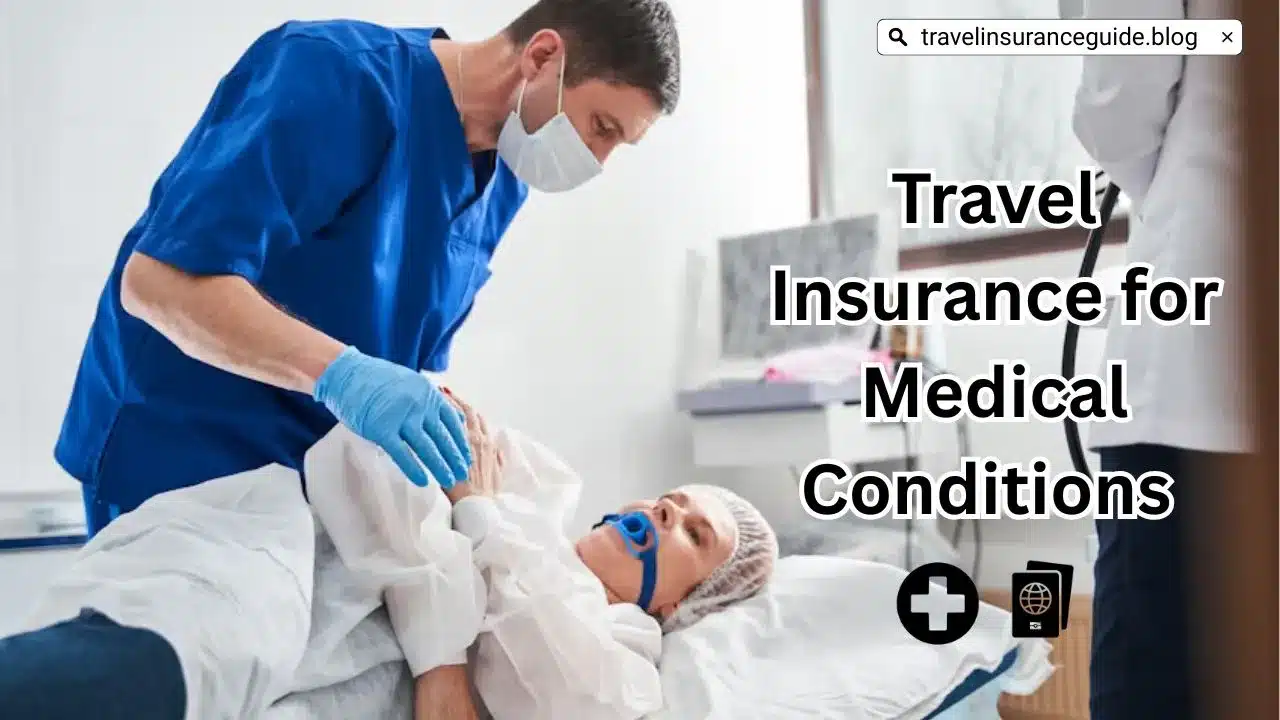
Heart condition cover is essential for people who have any type of heart disease, such as heart attack cover, atrial fibrillation (AFib) protection, or high blood pressure travel cover. High cholesterol also needs to be declared on your travel policy because it can lead to heart related problems. These plans may cover emergency treatment, hospital stays, and bringing you back home if needed. The condition is that complete information about the illness is provided; otherwise, there is a risk of claim rejection.
See our detailed breakdown of how much travel insurance for a heart condition costs.
Chronic and Serious Illness
IIf a traveller needs cancer medical cover, stroke cover, MS protection, or COPD insurance, then standard cover is not enough. It is also important to take specific cover for type 1 diabetes, organ transplant protection, or gallstones. These conditions carry a higher risk of sudden health issues, so such plans often include hospital charges, emergency treatment, and sometimes even long hospital stays, especially for senior travellers.
Mental & Neurological Health
Anxiety cover bipolar disorder, dementia and autism coverage are now more common, but many people do not declare them. In the case of mental or neurological illnesses, stress or medical episodes can occur during a trip. Cover for such emergencies can include medical assistance and, in some cases, trip cancellation. This coverage is considered very important, especially for those travelling with caregivers.
Undiagnosed or Pending Conditions
Cover for an undiagnosed condition is a sensitive topic for people who are still waiting for test results or surgery, such as those on an NHS waiting list. Travel insurance often offers limited coverage in these cases. Most insurance companies consider such conditions to be high risk. Therefore, it is important to clearly state when taking out a policy whether treatment is ongoing or the diagnosis is not complete, so that there are no claim issues later.
Pregnancy, Maternity & Family Cover
Cover that includes pregnancy protection is essential for pregnant women and their family members while travelling. This policy covers hospitalisation, pregnancy complications, and family medical emergencies under one plan. There are also protections available for children, seniors, and disabled travellers. If you are travelling with existing conditions such as those needing over 75s cover or heart condition protection, this is a good solution for you.
Adventure, Sports & Activity Travel Insurance
If you are taking part in activities such as scuba diving, skiing, trekking, skydiving or mountaineering, this policy protects you from accidents and adventure-related risks. This includes diving, snowboarding, paragliding, mountain biking and other extreme sports. It protects your luggage, covers medical emergencies, and includes trip cancellation.
Destination-Based Travel Insurance
A destination-based insurance policy is tailored to the location of your trip.
What Travel Insurance Covers vs What It Doesn’t
| What It Covers | What It Doesn’t Cover |
| Medical emergencies | Undeclared pre-existing conditions |
| Trip cancellation | Intentional no-show or change of trip |
| Lost or delayed baggage | Damage from normal use or wear & tear |
| Flight delays | Missed flights due to negligence |
| Emergency evacuation | War or terrorism (in some policies) |
| Accidental death or disability | Self-harm |
| Personal liability | Illegal activities or fines |
| Adventure Sports (if included) | Activities not covered by the policy |
Travel Insurance Brands and Providers
Volunteer and Specialty Travel Insurance Providers
Specialty travel insurance providers offer great plans for volunteer and one-way travel. Discounts are available on each provider’s website.
Travel insurance price
| Travel Insurance Type | Average Price (per day) |
| Basic cover | £3–£5 |
| Medium cover | £6–£10 |
| Full cover | £11–£20 |
| Seniors / 75+ | £15–£25 |
| Special adventure / volunteer | £12–£22 |
Pros & Cons
Pros:
- Medical emergency and hospital expense protection.
- Refunds on trip cancellation or rescission.
- Lost or delayed baggage insurance.
- 24/7 support and guidance in case of travel difficulties.
- Peace of mind and cover from unlooked-for circumstances
Cons:
- Additional costs and premiums.
- Exclusions for certain conditions and illnesses.
- Complications or delays in the claims process.
- Not necessary for every trip.
- Some amount of money paid or a maximum coverage limit.
Read our latest guide: Travel Insurance for Over 80s
FAQs
Conclusion
This travel insurance guide shows why cover is essential for every traveller, especially seniors, heart patients, diabetics, and adventure sports enthusiasts. Providers like GeoBlue, Allianz, AXA, World Nomads, Avanti, AllClear, Age UK, Virgin and Unite offer various medical and adventure covers. You can also get discounts by using promo codes. Choose the best plan to protect yourself from sudden illness, accident or trip cancellation while travelling and make your trip safe and worry-free.
About the Author

Rahib Naqvi researches and writes about travel insurance for UK and international travellers, with a focus on senior cover, pre-existing medical conditions, and destination-specific policies.